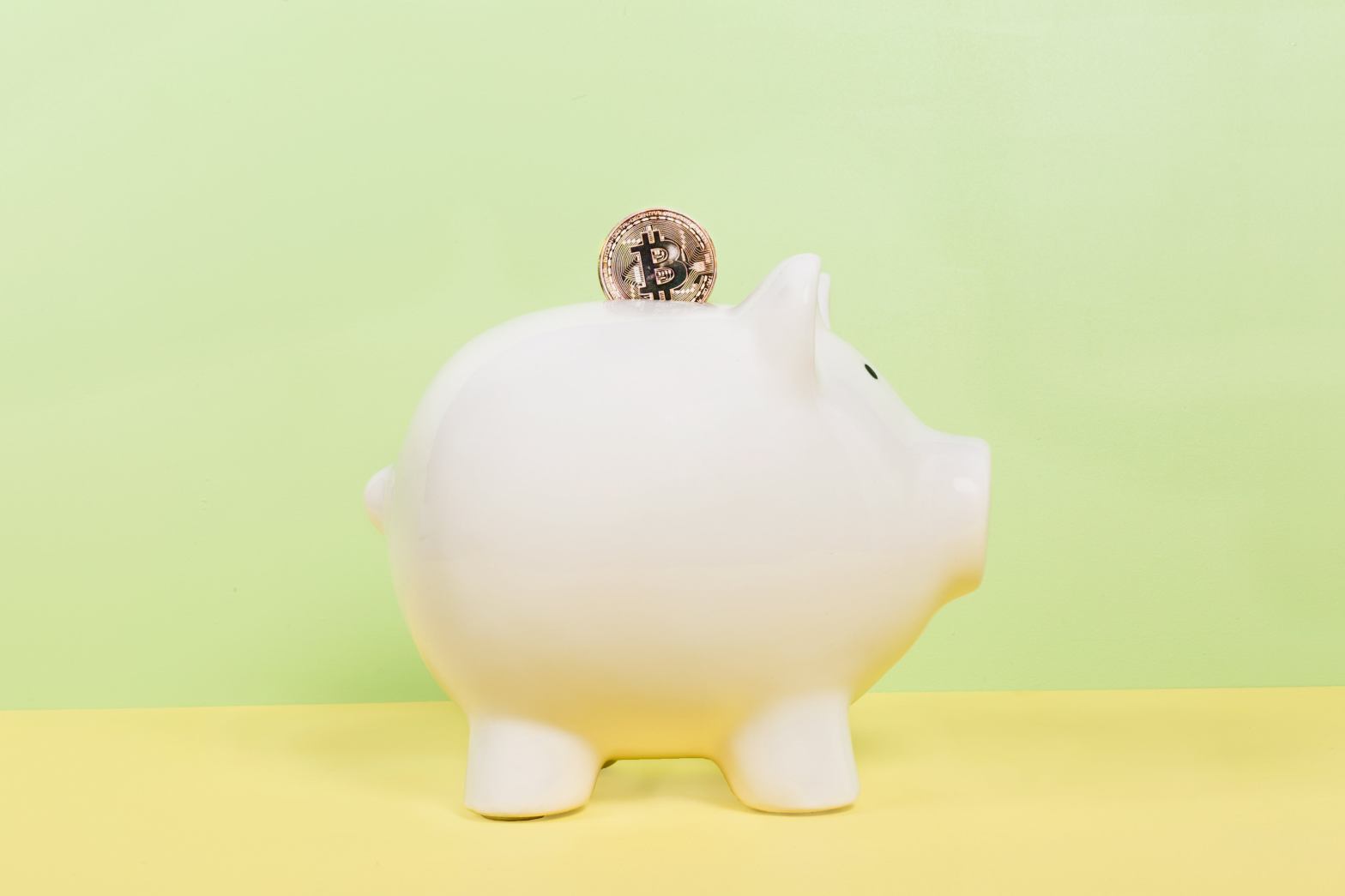
If you’re reading this, you’ve probably heard of cryptocurrency. Bitcoin is the most popular form of cryptocurrency, which is probably why you’re trying to figure out how to buy it. Created by Satoshi Nakamoto in response to the 2008 financial crisis, Bitcoin is a fully decentralised peer-to-peer currency. There is no middleman and no person or group of people that are able to control it, which means it is a unique technology that survives and thrives completely on its own.
The price of Bitcoin has increased exponentially since it’s creation as a result of all of the above. So how do you buy it? The good news is that you don’t need to buy a whole Bitcoin – you can buy a fraction of a Bitcoin, so don’t make the mistake of thinking you’re priced out of the market.
There are two main ways to buy Bitcoin and other forms of cryptocurrency – either via a centralised or decentralised exchange. A decentralised exchange (or DEX) only allows you to exchange cryptocurrency for other forms of cryptocurrency. You cannot link your bank account to a DEX, and fiat currency (i.e., traditional money (such as the US dollar)) cannot be used on the platform. DEXs are good in that they adhere to the decentralised principles of cryptocurrency and you’re not relying on a centralised entity to do the exchange for you. However, the fees for converting between cryptocurrencies are often high. If you’re buying something like Bitcoin – which is probably available on every centralised exchange in existence – we recommend using a CEX to make your purchase.
The most popular centralised exchange in the world is Binance. Other well known and reputable CEXs include Kraken and Coinbase. We recommend using Kraken, as they seem to be the most trustworthy CEX. They often publish proof of reserves and endeavour to hold assets equal to the value of crypto held on the platform. You can use this referral link to Kraken to get $10 of free Bitcoin – https://kraken.app.link/GPWUgwj3vEb
To begin, you must sign up to the platform via the app or website. You will probably be required to provide information such as your drivers license number, as these exchanges are required to report your trades to the tax department. After signing up, you can link your bank account to the exchange and transfer fiat currency to the platform. From there, you can easily convert it to Bitcoin or any other form of cryptocurrency. We recommend sticking to the “blue chip” cryptocurrencies (Bitcoin and Ethereum) if you’re relatively new to investing in crypto. You’ve likely heard people trash-talk cryptocurrency over the years and liken it to a ponzi or pyramid scheme. Granted there are an enormous amount of cryptocurrency projects in existence. And the intentions of some of the founders of these projects are suspect at best. Investing in something like Dogecoin is a lot riskier than investing in a completely decentralised cryptocurrency such as Bitcoin.
Once you’ve made your purchase, you can choose to either leave your crypto on the exchange or transfer it to a digital wallet. By leaving it on the exchange, you’re essentially trusting it to hold onto your coins for you; which defeats the purpose of cryptocurrency. Many people learnt this lesson the hard way with the capitulation of the centralised exchange, FTX. If a centralised exchange goes bankrupt with your coins on the platform, there’s a good chance you’ll never see them again. Transferring the coins to your own wallet allows you to take custody of your asset/s. It’s comparable to holding cash instead of putting it in the bank. You can choose to purchase a hardware wallet, which looks similar to a USB memory stick and can be disconnected from the internet. This allows your coins to be safe from hackers. However, if your hardware wallet is damaged, there is a possibility that your crypto may not be recoverable. Other options are “soft” wallets, such as Coinbase or Trust. These are apps you have on your phone, where only you can access your coins. Be mindful that there is still a possibility of your device being hacked and your crypto stolen, so theoretically it is not as safe as a hardware wallet. However, believe this is unlikely and recommend a soft wallet as the best option to store your crypto.
Your wallet should have an “address” which you can send your coins to from the exchange. When sending your cryptocurrency from the exchange to your wallet, it is always best to send a test transaction first (particularly if you’re a beginner). It is easy to make a mistake when copying/pasting your wallet address and people often send coins over the wrong network. Send a small amount first (a couple of dollars) and check that the crypto ends up in your self-custody wallet. If the first transaction is successful, it should be safe to send the rest.
You should now have all the information necessary to make your first Bitcoin purchase. Welcome to the world of cryptocurrency! We highly recommend investing in Bitcoin regularly. Given that Bitcoin is totally decentralised and has a total fixed supply, there is nothing stopping it from continuing its exponential price rise.
 Crypto4TheMasses